
Work Health Solutions / Medicolegal
- Work Health & Safety
- On-Site Services
- Manual Handling Training
- Computer & Office Worksite Assessments
- Ergonomic Training
- Manual Handling Risk Assessments
- Industrial Worksite Assessments
- Pre-Employment Assessments
- Medicolegal Assessments
- Independent Physiotherapy Assessments
- Return-to-Work (RTW) Plans
- Assessment & Rehabilitation
Work Health & Safety
Smart Health has a long and proud history in workplace health, working with employers and employees to support health and safety in the workplace. Our services range from individual workstation assessments, to assisting with rehabilitation and return to work, to weekly on-site assessment and treatment services.
Smart Health provides Work Health Services to a variety of businesses across South Australia. We combine our professional experience with current technology to provide practical Work Health and Safety (WHS) services tailored to each workplace.
Our Approach
A healthy workplace can support employee wellbeing and productivity. Smart Health brings experienced physiotherapists with a focus on workplace health into your workplace. Our training in anatomy, biomechanics and injury allows us to develop workplace services tailored to your business. Our services are based on a simple philosophy: applying our knowledge and experience to your workplace to support the health and safety of your people.
We recognise the importance of quality to any organisation, and we aim to provide a high quality service. Our assessments are independent and objective. Our treatment is personalised and thorough. Our training is worksite-specific and engaging.
On-Site Physiotherapy Services
Our physiotherapists run weekly on-site clinics within your workplace, assessing and managing employee musculoskeletal symptoms as they arise, with the aim of addressing concerns early.
Having a physiotherapist on-site offers:
- Early assessment: symptoms can be assessed and managed early, with the aim of reducing the risk of lost-time injuries
- Treatment at work: employees are treated on-site, reducing time spent travelling to appointments
- Return-to-work support: regular communication between the treating physiotherapist and managers helps make modified duties and return-to-work plans practical and well-informed
- Quick follow-up on reported discomfort: on-call task reviews allow concerns to be looked at promptly
- Proactive risk management: new or modified tasks can be ergonomically assessed before they’re rolled out
- Training built for your site: manual handling and injury prevention training designed around your actual roles and demands
We have over 20 years of experience designing and running on-site clinics for businesses across South Australia.
To discuss an on-site program tailored to your workplace, get in touch.
Manual Handling Training
Smart Health designs and runs training programs that aim to help workers perform their day-to-day tasks in ways that reduce the risk of overuse and overload injuries. The training explains how and why injuries occur, and how workers can manage their daily tasks safely. Each program is relevant to the tasks, worksite and workplace involved.
Smart Health physiotherapists attend the worksite prior to our training programs, to gain a hands-on feel for the type of work performed and the risk factors specific to each individual worksite. This allows training programs to be specifically tailored and to address the needs of every worksite.
Computer & Office Worksite Assessments
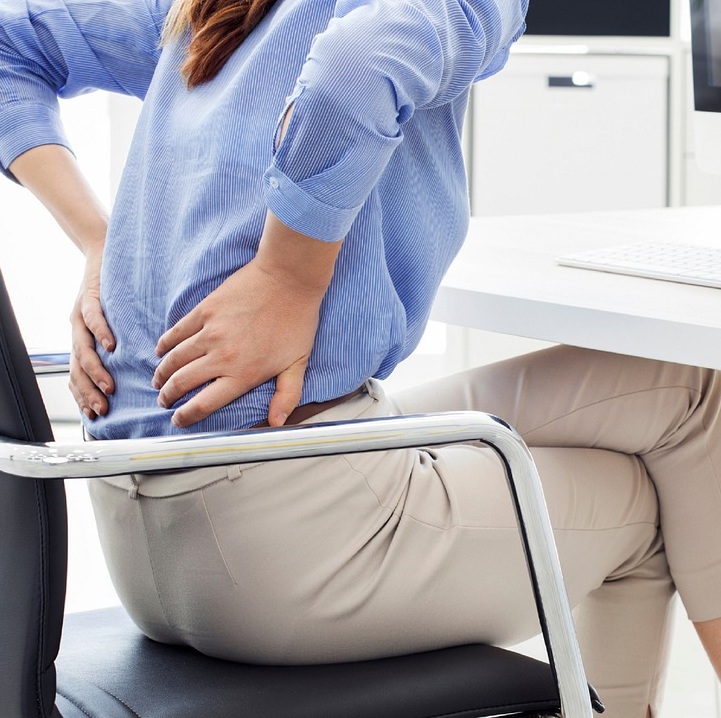
As more work becomes computer-based, the risks of sustained sitting, particularly at poorly designed workstations, are becoming clearer. Many organisations report neck and back pain among their staff. An individual workstation assessment looks at how an employee’s workstation is set up and how it could be improved.
Taking into account the nature of the work, the employee’s background, any injury history and the organisation’s budget for workstation design, a Smart Health physiotherapist can make practical recommendations on both the design of the workstation and how the employee uses their computer. These recommendations aim to reduce postural strain and help employees work more comfortably.
Smart Health has promoted and set up sit-stand adjustable-height workstations in offices across South Australia. Research has linked sustained sitting with poorer general health (including diabetes, heart disease and obesity) and with musculoskeletal pain (including upper back pain, neck pain and headache), which presents a challenge for employers with a mostly seated workforce. Smart Health can help develop a pilot program within a business, set up individual sit-stand workstations, or introduce a sit-stand program across an entire office. Our experience in this area has allowed us to identify both the advantages and the potential pitfalls of these programs.
Ergonomic Training
Computer work is a common source of discomfort and injury in the workplace. Poor workstation design and use can contribute to postural problems and repetitive strain injuries (RSIs). We use the same principles as our manual handling training to help employees stay healthy at their desks.
The training session covers nutrition and hydration, warm-up and stretching exercises, bending and reaching patterns and, most importantly, good workstation set-up.
Manual handling principles are applied to office tasks, such as reaching under desks and lifting boxes of copy paper. Each principle is explained from an anatomical and physiological point of view, so employees understand their bodies and can better manage their own health.
Manual Handling Risk Assessments
Under the WHS Regulations, the Code of Practice for Hazardous Manual Tasks provides a screening tool to identify hazardous manual tasks and start the process of addressing them.
Smart Health physiotherapists assess these movement patterns in working environments every day, and can guide your use of these tools to help make your workplace safer.
Industrial Worksite Assessments
Worksite assessments in an industrial setting are an essential part of managing and reducing risk. In a pre-emptive context, our physiotherapists can provide ergonomic input into production, to help protect operators from common industrial injuries. Recommendations can range from a change in technique, to a change in production systems, to adjustment of the production process. In all cases, our physiotherapists look for cost-effective ways to look after employees.
If an employee does experience symptoms while performing their normal tasks, an assessment of their role helps identify any movement or process that may have contributed. This is an important part of early intervention, helping to keep the worksite safe for other employees and supporting the injured employee’s return to work.
Pre-Employment Assessments
Why have a Pre-Employment Assessment?
Organisations and businesses increasingly recognise the importance of matching the physical capabilities of their employees to the physical demands of their jobs. Smart Health provides a range of pre-employment assessments for a variety of businesses. These assessments are tailored to individual worksites and roles, testing a candidate’s specific abilities against the specific demands of the job.
A well-designed pre-employment assessment is an objective functional assessment of a person’s ability to perform the inherent physical requirements of a job. We help employers set up structured pre-employment screening based on a task or job analysis. This is particularly useful for assessing suitability for high-risk and physically demanding duties. Pre-employment screening aims to reduce an employer’s costs associated with workplace injuries and lost time.
Medicolegal Assessments
Smart Health offers a range of medico-legal assessments, including Independent Physiotherapy Assessments (IPA) and Worksite Assessments. These assessments involve experienced therapists spending enough time with a client to gain a balanced, objective view of their history, symptoms and function. Our reports are written in plain English, so everyone involved in a client’s management can use the findings. These assessments are important in guiding appropriate treatment, rehabilitation and return to work.
The value of an assessment depends on the experience of the assessing therapist. Our physiotherapists receive referrals from a range of sources, including insurers, employers, lawyers and medical practitioners.
Smart Health’s physiotherapists have decades of combined experience in functional assessment and aim to provide timely, objective assessments.
Independent Physiotherapy Assessments
Why have an Independent Physiotherapy Assessment?
During an injured worker’s rehabilitation, their progress and diagnosis can sometimes become unclear through miscommunication. Our experienced physiotherapists offer an independent assessment, reporting on the injury history, working diagnosis and recommended management. This can give everyone involved a clear, shared picture to guide the next steps.
Comprehensive Clinical Assessment
Assessments include a detailed injury history and a comprehensive clinical assessment, covering range of movement, compound movements, muscle strength and specific stress tests. The assessment can also be tailored to make specific recommendations on future rehabilitation, and the likely cost of such treatment approaches.
Return-to-Work (RTW) Plans
Return-to-work planning requires an understanding of both the employee’s injuries and the demands of their job. Our physiotherapists spend much of their working time on worksites, so we are used to matching an employee’s current capacity with the physical demands of individual jobs. This allows tailored, individual return-to-work planning, helping employees back to work when it is safe to do so, and maintaining work hardening while minimising the risk of aggravation.
Assessments and Rehabilitation
In a work health setting, rehabilitating injured workers is one of the biggest challenges facing an organisation. Rehabilitation and return to work require accurate diagnosis, appropriate treatment, the selection of suitable duties and targeted exercise. Vital to this process is good communication between the injured employee, treating therapists and on-site rehabilitation staff. This communication helps ensure that everyone understands the goals of the rehabilitation program and their responsibilities within it.
Smart Health has built a team of experienced therapists, many of whom have worked extensively with businesses as well as injured employees. Our aims are to provide:
- support for a safe and timely return to work
- thorough assessment and diagnosis
- individualised treatment
- specific exercise programs
- regular liaison with the workplace throughout the return-to-work process
Our team treats workplace injuries, assesses capacity and designs exercise programs every day, both at our North Adelaide clinic and at individual worksites. We provide these services to businesses across a variety of industries throughout South Australia.
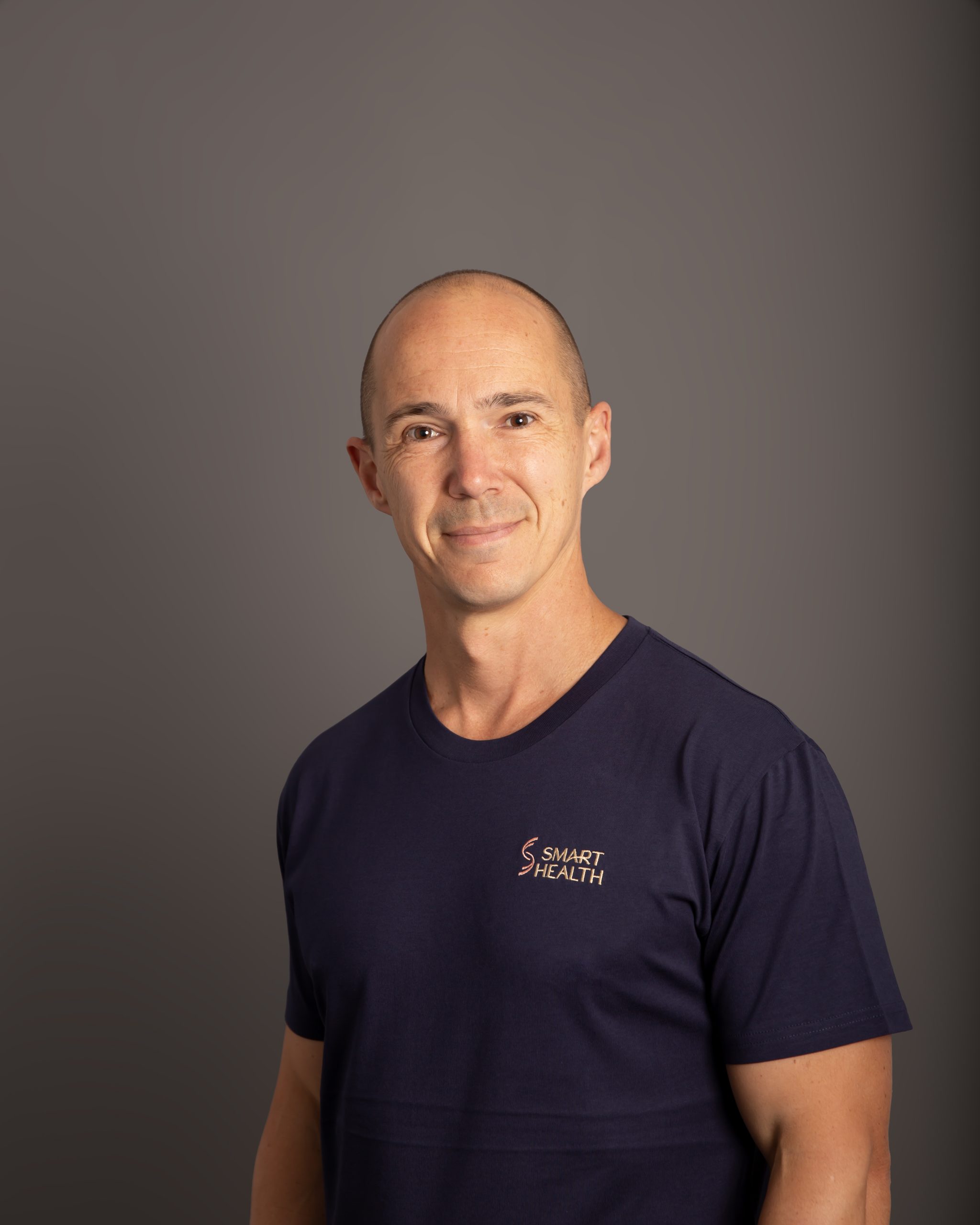
Meet Our Work Health Solutions Practitioner
Contact Us Today
We allow time in each appointment for your questions.
Book online or contact reception to make an appointment.